In the ever-evolving landscape of digital marketing, Search Engine Optimization (SEO) is, without a doubt, a crucial skill to master. Whether you’re a blogger, a business owner, or even simply curious about how websites rank on search engines like Google, this beginner’s guide to SEO optimization will helpfully provide you with the essential knowledge to get started.
Understanding SEO
SEO is the practice of optimizing your website so that it improves its visibility on search engines. When users search for specific keywords or phrases, SEO helps your website appear higher in the search results; as a result, more organic (non-paid) traffic is driven to your site. In addition, effective SEO involves various strategies and techniques designed to meet the ever-changing algorithms of search engines.
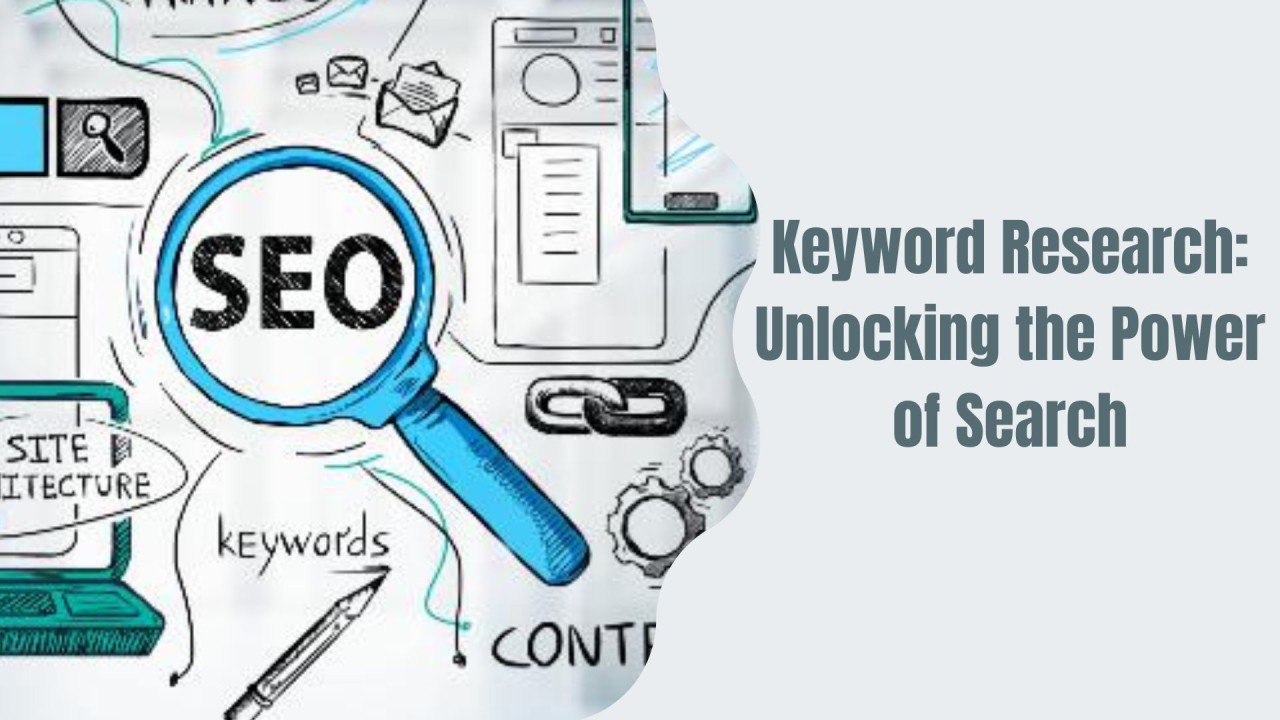
Keyword Research
Keywords are the foundation of SEO. First, begin by researching relevant keywords related to your content or business. For example, tools such as Google Keyword Planner or Ubersuggest can help you identify popular and relevant keywords. Ideally, you should aim for a mix of short-tail (broad) and long-tail (specific) keywords. By doing so, you increase your chances of ranking for both competitive and niche searches.
On-Page Optimization
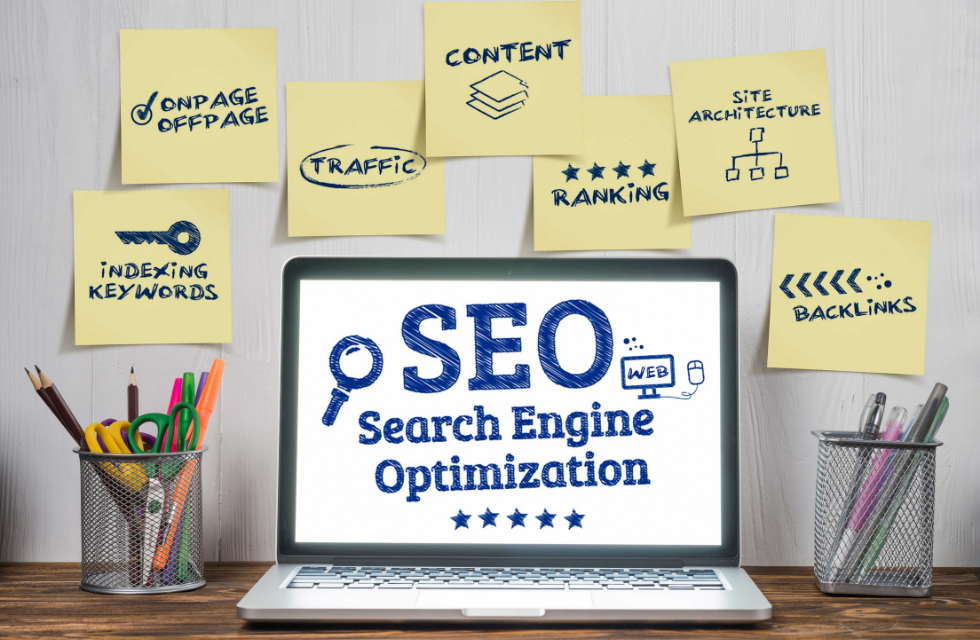
On-page optimization focuses on elements within your website. To start, craft compelling and descriptive title tags that include your primary keyword. Next, write engaging meta descriptions that encourage users to click through to your website. Additionally, use H1, H2, and H3 header tags to structure your content clearly while including keywords where relevant. Most importantly, create high-quality, informative, and valuable content that satisfies user intent.
Off-Page Optimization
Off-page optimization, on the other hand, happens outside your website. For instance, acquiring high-quality backlinks from reputable websites in your niche can significantly boost credibility. Moreover, guest posting and outreach are effective ways to earn these links. At the same time, promoting your content on social media platforms increases visibility and engagement. Finally, monitoring and managing online reviews and mentions helps maintain a positive online reputation.
Technical SEO
Technical SEO ensures that search engines can efficiently crawl and index your website. For example, optimizing site speed is essential because slow websites can negatively impact rankings. Similarly, ensuring your site is mobile-friendly is critical in today’s mobile-first world. In addition, creating and submitting an XML sitemap helps search engines understand your site structure. Meanwhile, using a robots.txt file allows you to control which pages search engines should crawl.
User Experience
User experience plays a vital role in SEO success. To begin with, your website should have a mobile-friendly design that works seamlessly across devices. Furthermore, clear and simple navigation helps users find information easily. As a result, visitors stay longer on your site. Likewise, improving page loading speed enhances both usability and search engine rankings.
Monitoring and Analytics
Monitoring performance is essential for long-term SEO growth. Therefore, use tools like Google Analytics and Google Search Console to track traffic and measure results. By regularly reviewing this data, you can identify areas for improvement. Consequently, adjusting your SEO strategy becomes more effective and data-driven.
Patience and Persistence
SEO is not a one-time effort; instead, it is an ongoing process. Although results may take time, consistent application of best practices will eventually pay off. Thus, patience and persistence are key to success.
Frequently Asked Questions (FAQ)
General SEO Questions
What is SEO, and why is it important?
SEO, or Search Engine Optimization, is the process of improving a website’s visibility on search engines. In other words, it helps your website appear higher in search results. As a result, increased visibility leads to more organic traffic, better brand awareness, and higher credibility.
Is SEO a one-time task?
No, SEO requires ongoing effort. Instead of being a one-time setup, it involves continuous optimization, monitoring, and updates. Ultimately, consistent work leads to sustainable growth.
SEO Timeline and Results
How long does SEO take to show results?
SEO is a long-term strategy. Generally speaking, it can take anywhere from a few weeks to several months to see noticeable improvements. However, the exact timeline depends on factors such as competition, content quality, and consistency. Therefore, patience is essential.
Keywords and Content
What are keywords, and how should I use them?
Keywords are words or phrases users type into search engines. For best results, they should be naturally included in your titles, headings, content, and meta descriptions. However, keyword stuffing should be avoided, as it can negatively impact rankings.
Is content still important for SEO?
Absolutely. In fact, content is one of the most important ranking factors. High-quality, informative, and relevant content helps satisfy user intent. Consequently, search engines are more likely to rank your pages higher.
Technical and Off-Page SEO
Do I need technical knowledge to do SEO?
Not necessarily. While some technical aspects exist, many SEO fundamentals—such as keyword research and content optimization—are beginner-friendly. That said, learning basic technical SEO can significantly improve your results over time.
Are backlinks still relevant for SEO?
Yes, backlinks remain crucial. Specifically, high-quality backlinks from reputable websites signal trust and authority to search engines. Therefore, focusing on quality rather than quantity is key.
Social Media and SEO
Can social media improve SEO rankings?
Social media does not directly affect rankings. Nevertheless, it increases content visibility and engagement. As a result, your content is more likely to earn backlinks and traffic, which indirectly supports SEO.
Conclusion
In conclusion, this beginner’s guide to SEO optimization provides a solid foundation for improving your website’s visibility on search engines. However, it’s important to remember that SEO is a dynamic field. Therefore, staying updated with industry trends and algorithm changes is essential for long-term success. As you continue learning, you can refine your strategies to achieve even better results.
Ultimately, start small, stay consistent, and watch your website climb the search engine results pages